
Understanding Prediction Markets The Future of Forecasting
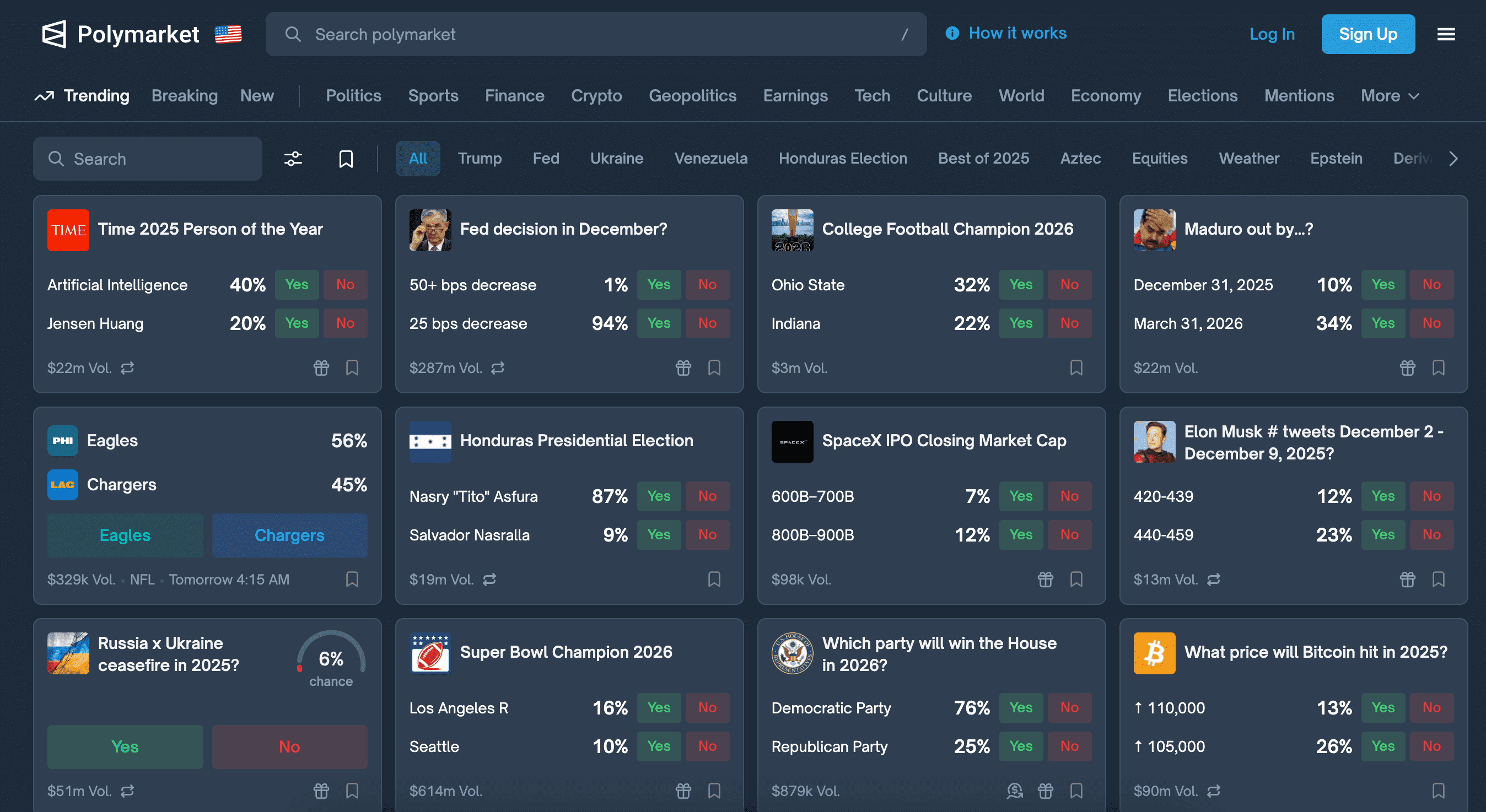
Prediction markets have emerged as a fascinating blend of economics, technology, and forecasting methodologies. These markets facilitate the buying and selling of shares in the outcomes of future events, from political elections to sports tournaments. They function on the principle that collective intelligence can be harnessed through speculation and betting on specific possibilities. In essence, participants place their bets based on the perceived probability of various outcomes, which creates a transparent mechanism for gauging public sentiment and expectations regarding future events. For more detailed insights, refer to prediction markets.

What are Prediction Markets?
Prediction markets, also known as market-based forecasting or information markets, are platforms where individuals can trade contracts based on the outcomes of uncertain future events. These contracts are typically structured such that the payoff is dependent on the occurrence of a specific event. As participants buy and sell contracts, the prices change to reflect the consensus probability of the event taking place. This mechanic allows prediction markets to serve as a real-time barometer of collective beliefs about future events.
How Do Prediction Markets Work?
At their core, prediction markets operate similarly to traditional stock markets. Participants can buy or sell shares based on their predictions of specific events. If a participant believes an event is likely to happen, they will buy shares in that outcome; conversely, if they believe it is unlikely, they might sell or short those shares. The price of the share reflects the current market consensus on the probability of that outcome happening.
The summarized price of the shares can be interpreted as the market’s forecast of the likelihood of an event’s occurrence. For instance, if a contract paying $1 if a certain candidate wins an election is trading at $0.70, the market implies a 70% probability of that candidate winning.
Applications of Prediction Markets
Prediction markets have a wide array of applications across various fields. Here are some notable examples:
- Political Forecasting: Prediction markets are often used to forecast election outcomes. They provide insights into how political campaigns are perceived and can sometimes be more accurate than traditional polls.
- Financial Predictions: Investors and analysts use prediction markets to gauge market movements and trends. The aggregated information can inform investment strategies and risk assessments.
- Product Development: Companies utilize prediction markets to gather insights about the success of new products or marketing strategies by soliciting feedback from employees or consumers.
- Sports Events: Fans and analysts alike engage in betting on sports events via prediction markets, which can serve as a forecast for game outcomes based on real-time data and sentiment.
The Advantages of Prediction Markets
One of the primary advantages of prediction markets is their ability to aggregate the knowledge and opinions of a diverse group of participants. This aggregation often leads to more accurate predictions than those produced by individual experts or conventional polling techniques.
Another benefit is the real-time feedback mechanism. Because prices fluctuate based on trading activity, participants receive immediate insights into how sentiment might be shifting as new information becomes available. This dynamic allows organizations to pivot their strategies more effectively.
Challenges and Limitations
Despite their potential, prediction markets also face challenges. One of the significant limitations is market manipulation. Participants with substantial resources may attempt to create a false narrative by placing large bets to sway market perceptions.
Additionally, not all outcomes are easily quantifiable or can be predicted accurately through financial markets. Events subject to manipulation, like political elections, may have outcomes influenced by factors beyond sentiment, such as voter suppression or unexpected events.
Finally, legal and regulatory challenges can arise, especially in jurisdictions where betting or gambling is heavily regulated. This can limit the scope and accessibility of prediction markets.
The Future of Prediction Markets
As technology continues to evolve, so too will the capabilities of prediction markets. Innovations in blockchain and decentralized finance (DeFi) may offer greater transparency and resistance to manipulation, thereby increasing trust in market mechanisms. Furthermore, as more organizations recognize the value of data-driven decision-making, the use cases for prediction markets are likely to expand.
The integration of artificial intelligence to assist in data analysis and outcome modeling may also enhance the accuracy of predictions, creating a more robust framework for organizations. As they become more mainstream, we may see their integration into decision-making processes across governments, corporations, and even non-profit organizations.

Conclusion
Prediction markets represent a unique intersection of finance, data analysis, and crowd intelligence. They provide a platform for aggregating diverse opinions on uncertain outcomes, which can lead to more accurate predictions. While challenges exist, the potential of prediction markets is significant, and their growth could transform the landscape of forecasting and decision-making in the future. By harnessing the collective wisdom of participants, organizations can navigate uncertainty more effectively and make informed decisions grounded in peer-driven insights.